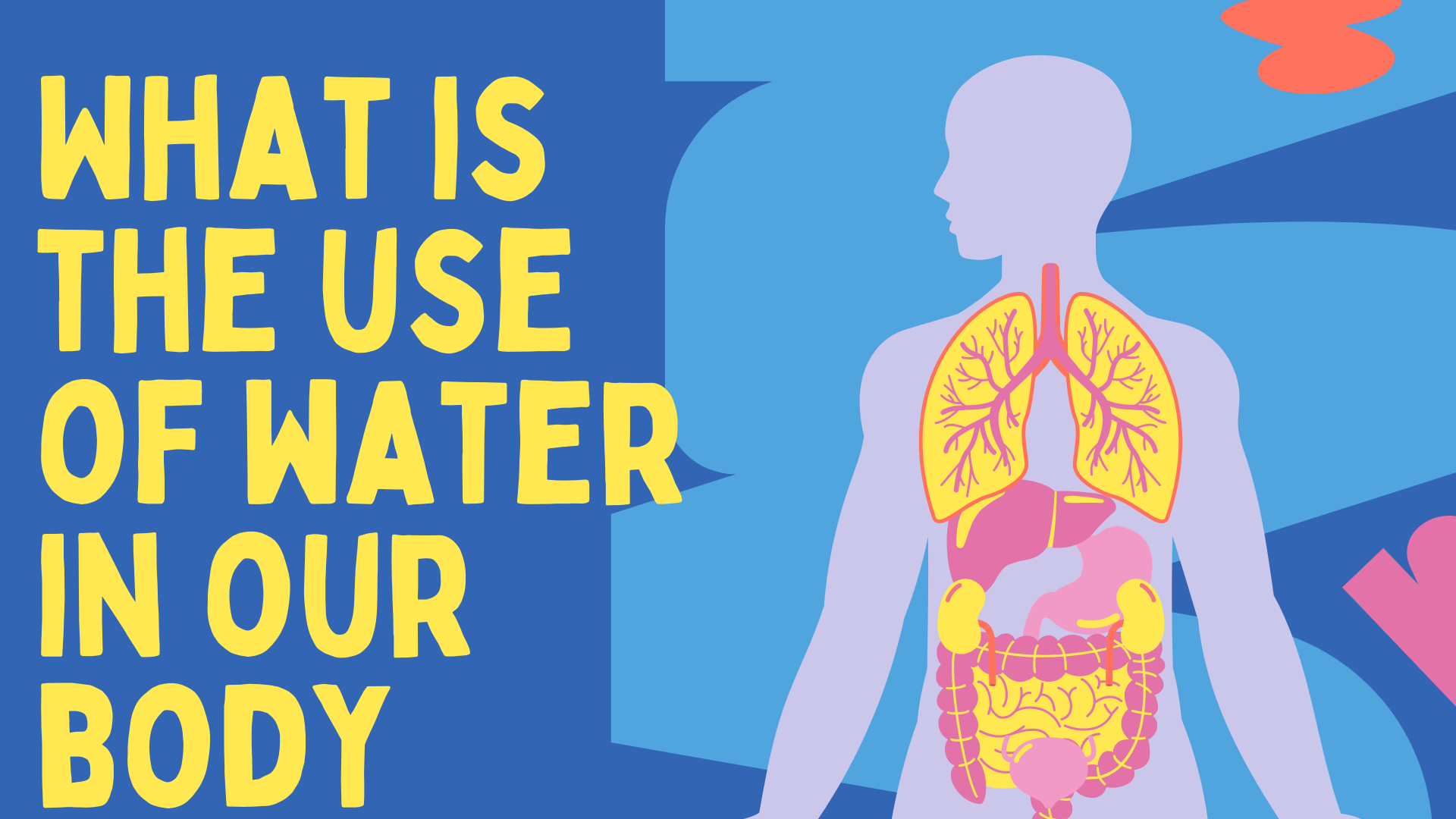
Water is crucial for the human body, playing numerous vital roles in maintaining overall health and functionality. Here are the key uses of water in the body:Cellular Function: Every cell in the body contains water, which is essential for cell structure, nutrient transport, and waste removal.Blood Circulation:
Water makes up a significant part of blood, helping transport oxygen, nutrients, and hormones throughout the body, and removing waste products.Digestion and Absorption: Water aids in digestion by helping dissolve nutrients, allowing them to be absorbed by the intestines. It is also a key component of digestive juices.Joint Lubrication: Water is a major part of synovial fluid, which lubricates joints and helps them move smoothly.Temperature Regulation:
Water helps regulate body temperature through sweating and respiration. When the body heats up, sweat is produced, which cools the body as it evaporates from the skin.Brain Function: Water is essential for brain function, aiding in the production of hormones and neurotransmitters, and maintaining cognitive performance.Respiration: Water helps moisten the airways and supports the function of the respiratory system, ensuring efficient oxygen exchange.Kidney Function:
Water is vital for the kidneys, helping filter waste from the blood and excreting it as urine.Skin Health: Water helps maintain skin moisture and elasticity, playing a role in overall skin health and appearance.Muscle Function: Water is necessary for muscle contraction and relaxation, helping prevent cramps and maintaining proper muscle function.Detoxification:
Water helps flush toxins out of the body through urine, sweat, and bowel movements, supporting the detoxification processes of the liver and kidneys.Adequate hydration is crucial for maintaining these bodily functions, and insufficient water intake can lead to dehydration, which impairs various bodily processes and can lead to health issues.